The Tour de France mountain stages represent a complex system in action. Terrain, weather, fatigue, psychology, and competition interact in unpredictable ways. It is impossible to fully predict these interactions upfront. This is the environment depicted in Tour de France: Unchained (Season 1, Episode 4). It is the complexity that borders on chaos under extreme uncertainty. Scrum was designed to tackle through empiricism, self-management, and continuous adaptation. This case study views the race through the lens of Scrum. It provides an insight into how the Scrum framework is applied in a real situation. the That said, Scrum is only one lens.
I invite readers to share their thoughts. How can the Agile principles—Scrum or otherwise—help professional cycling teams navigate uncertainty and complexity? I am particularly interested in:
- Other Agile behaviors you noticed in the race that were not highlighted in this case study
- Anti-patterns you’ve observed in Agile teams that mirror failures seen in competitive sports (over-planning, hero culture, command-and-control, local optimization, etc.)
- Situations where Scrum alone may not be sufficient, and complementary approaches are required
I also welcome discussion on alternative or supporting frameworks, such as:
- OODA Looping (Observe–Orient–Decide–Act) for rapid decision-making under pressure
- Systems thinking and constraint-based models
- Flow-based approaches (e.g., Kanban) in endurance or multi-stage contexts
- Leadership and team-psychology models that emphasize trust, autonomy, and resilience
Finally, I encourage you to reflect on a provocative question:
If you were designing a custom Agile framework for professional cycling, what concepts would you borrow? Would you consider ideas from Scrum, OODA, or Lean? What concepts would you deliberately leave out?


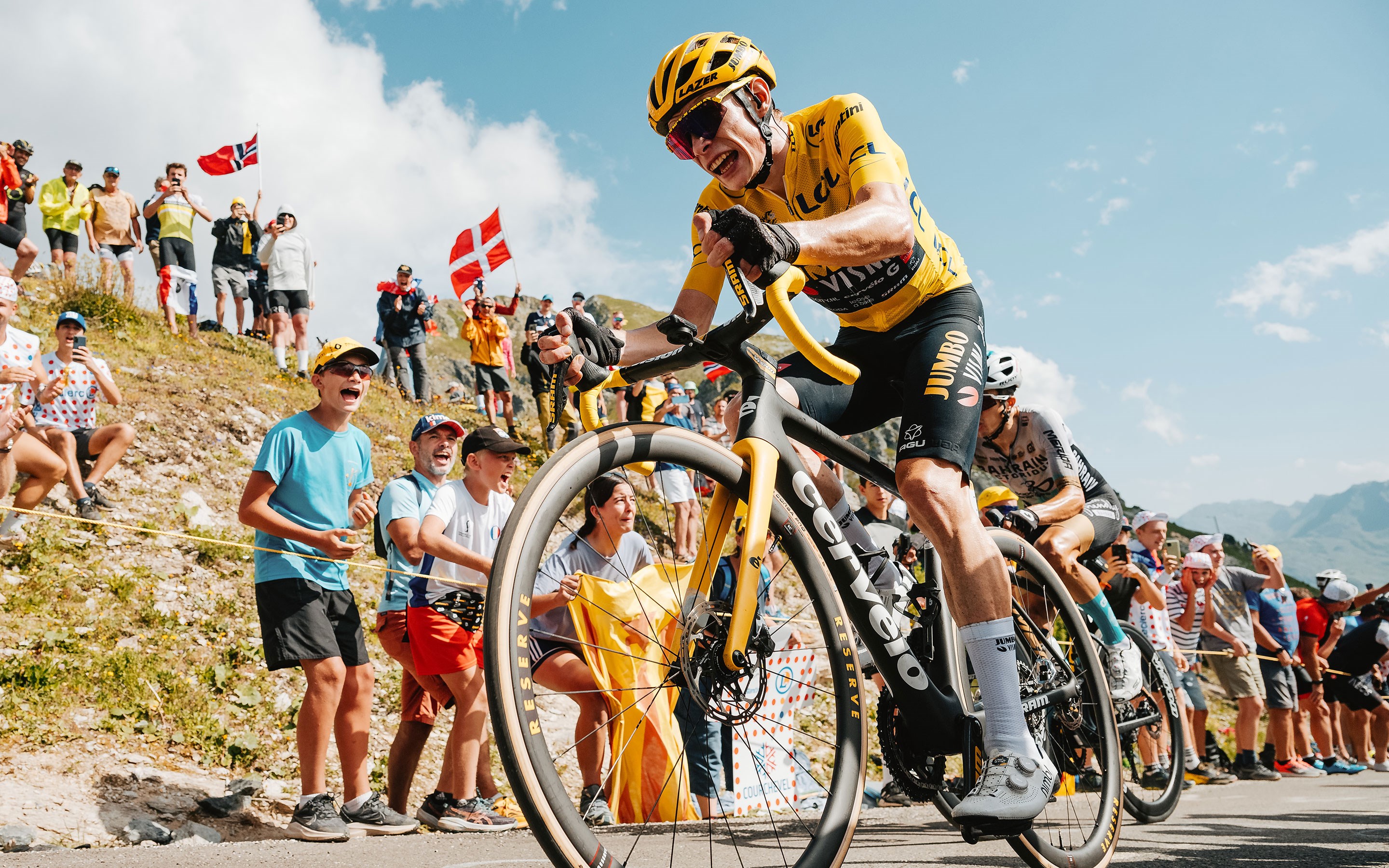

Editorial cycling images commonly available via Wikimedia Commons and ASO press photography, used here for educational commentary.
Context
This study is inspired by Tour de France: Unchained — Season 1, Episode 4, which follows one of the most decisive mountain stages of the Tour de France. Rather than treating the episode purely as a sports documentary, this analysis views it through the lens of Scrum—its principles, events, accountabilities, and the pillars of Transparency, Inspection, and Adaptation. The case study has been created by watching and observing the Netflix episode & using AI assistance for reviewing the transcript.
The Tour de France is a textbook complex system. Outcomes cannot be fully predicted upfront. Terrain, weather, fatigue, nutrition, and competitor behavior interact in real time. Plans are essential—but rigid plans fail. Success depends on aligning around a clear goal, continuously inspecting reality, and adapting execution without losing intent.
That is exactly the environment Scrum was designed for.
In this episode, Team Jumbo-Visma demonstrates how a high-performing team succeeds under extreme uncertainty—not through heroics, but through disciplined teamwork, clarity of purpose, and trust in defined accountabilities.
Cast (Scrum Accountabilities)
- Product Owner – Richard Plugge
Owns the long-term vision, team DNA, and definition of success. - Scrum Master – Grischa Niermann
Enables flow, removes pressure, and protects focus during execution. - Scrum Team – Jonas Vingegaard and teammates
Self-organize to deliver the outcome on the road.
The Case Study: The Mountain Sprint
Sprint Planning – Aligning on Intent before reality hits

Caption: Team Jumbo-Visma aligns on intent before the stage—clarifying objectives, constraints, and roles. Like Sprint Planning, the focus is on a shared goal rather than predicting every move.
The episode opens with a repeated truth: the mountain reveals everything. Jumbo-Visma treats this not as philosophy, but as an input into planning.
Before the stage, the team aligns on intent rather than predictions.
Sprint Goal (implied in the transcript):
Make the stage brutally hard, isolate the yellow jersey, and create the conditions for Jonas to test himself honestly against the best.
They know they cannot script the race. What they can do is agree on why the day matters and what success looks like.
Sprint Backlog (planned work):
- Increase race difficulty from early on
- Remove rival team support
- Preserve energy for decisive moments
- Execute basics flawlessly (hydration, cooling, nutrition)
This is Scrum planning done right: clear goal, flexible execution.
Transparency on the Road — Making Reality Visible

Image Caption: As the peloton fragments on the climb, reality becomes visible to everyone: support riders drop away and the yellow jersey becomes isolated. Transparency enables fast, confident decisions.
As the race unfolds, transparency emerges naturally. The transcript repeatedly makes the same observation:
- The yellow jersey is isolated.
- No teammates at his side.
- The pace is relentless.
In Scrum terms, the system state is now visible to everyone. There is no debate, no hidden information, no need for justification. Reality is shared.
This transparency enables fast, confident decisions.
Daily Scrum in Motion — Inspection and Adaptation

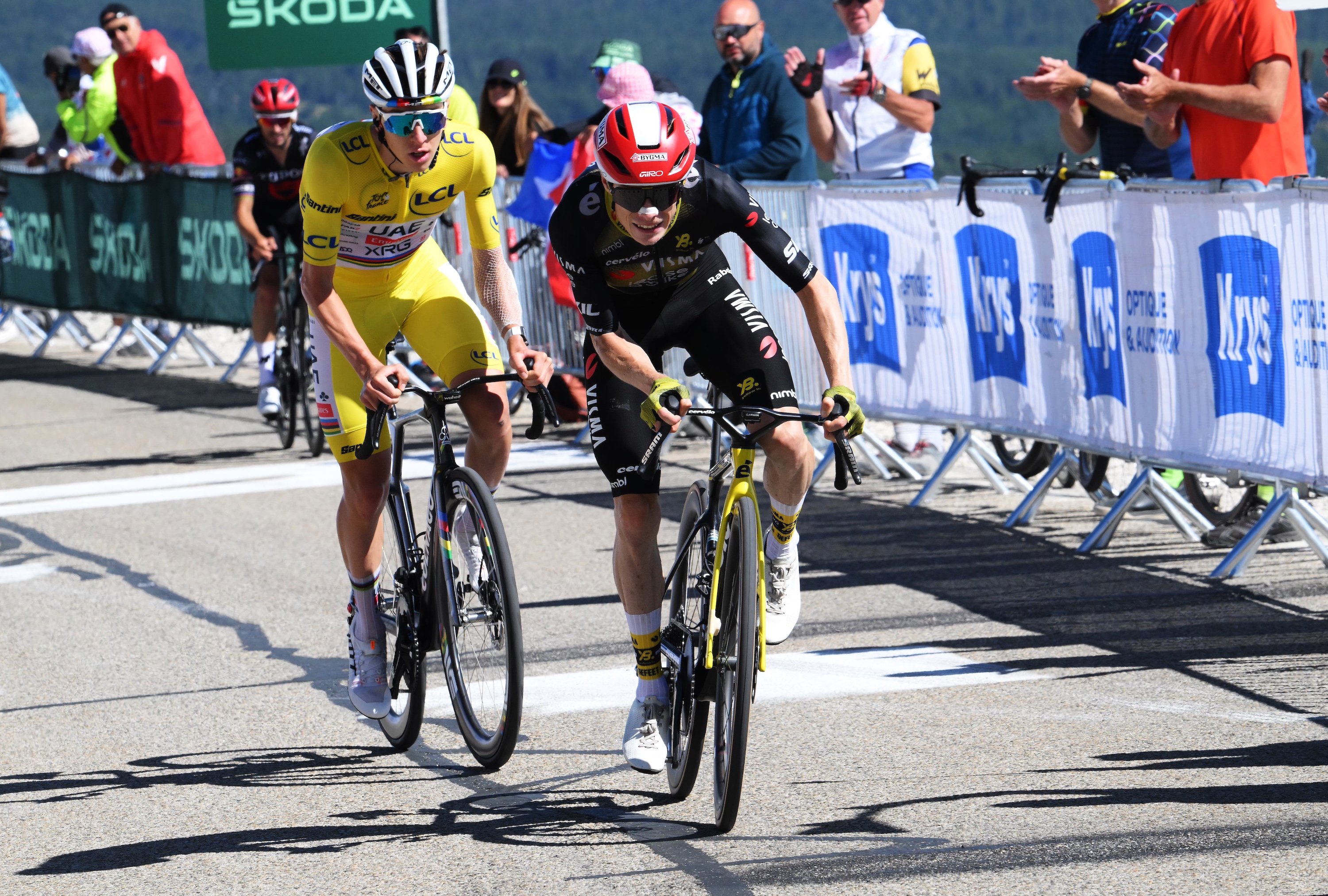

Caption:
Sequential attacks by Jumbo-Visma riders show inspection and adaptation in real time. Once conditions are right, the team adjusts execution without changing the Sprint Goal.
Once inspection confirms the goal is achievable, the team adapts immediately.
The transcript explicitly describes the shift:
- “If your opponent is alone, then you can start attacking one after the other.”
- “One after the other, Jumbo-Visma riders attack.”
This is a Daily Scrum under pressure:
- Are we still aligned to the Sprint Goal? → Yes
- What changed? → Opponent isolated
- What do we do next? → Sequential attacks
Roles adjust dynamically. One rider attacks. Another follows. Eventually, Primož Roglič drops, a visible sacrifice in service of the Sprint Goal. The backlog is implicitly refined in real time.
The team adapts without renegotiating intent.
Self-Management at Peak Complexity

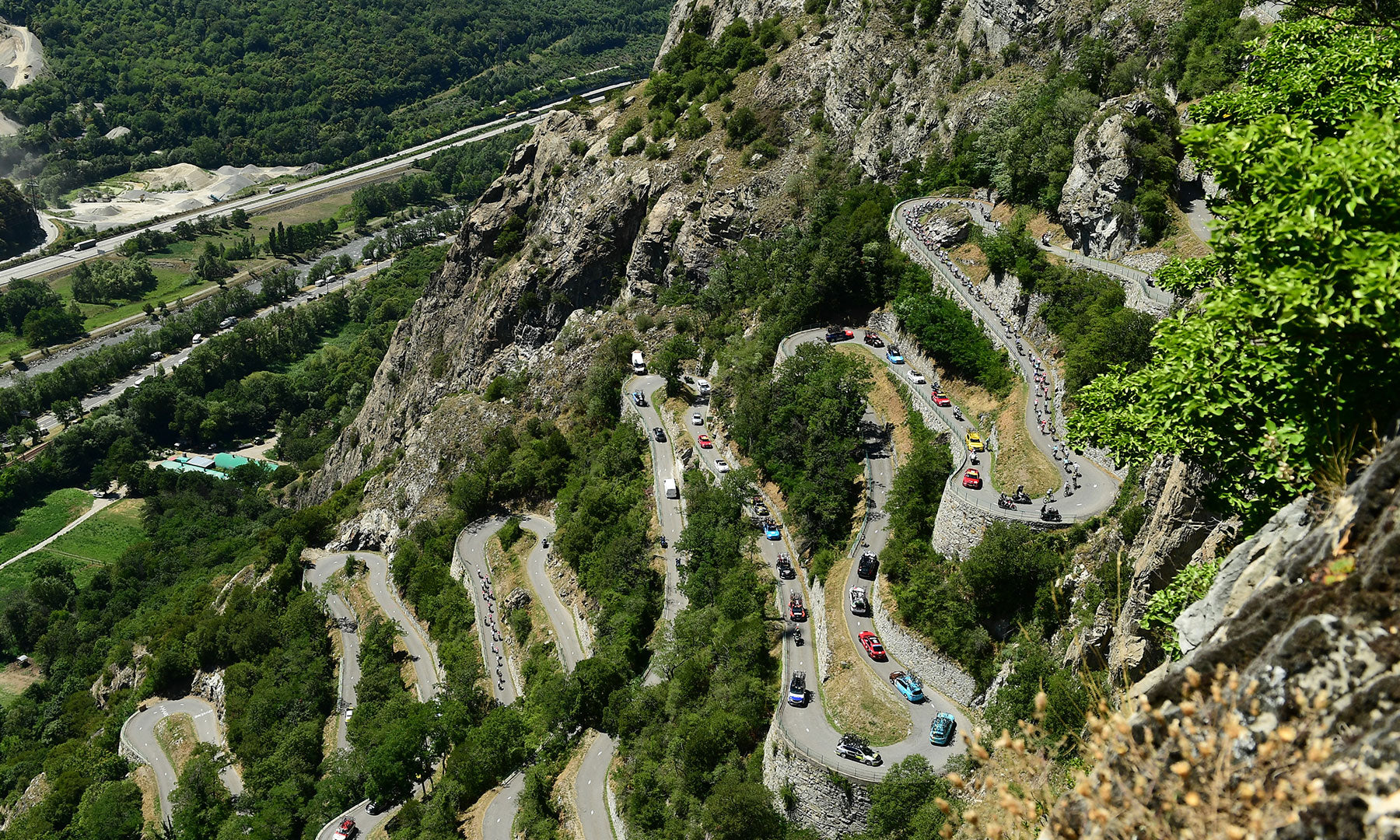
Caption:
On the steepest gradients, direction gives way to trust. Riders self-manage based on preparation and feedback from their own bodies—an example of empowered teams operating under high uncertainty.
On the steepest gradients, direction gives way to trust.
The transcript emphasizes that once the race reaches this point, riders must rely on feel. Communication fades. Control dissolves. What remains is preparation and autonomy.
Jonas rides his own effort. The team has done its job.
This is self-management, enabled—not commanded.
Product Increment — What Was Delivered
The stage ends, and a new reality emerges.
The transcript summarizes it plainly:
- “To beat Tadej Pogačar, you need a team—and that’s exactly what Jumbo-Visma did.”
- “I’d never have done that without my teammates.”
Product Increment (Scrum lens):
- A validated team strategy
- A shift in race leadership
- Proven ability to execute under extreme pressure
The increment is not just a jersey. It is learning made usable for future stages.
Sprint Review — Understanding the Outcome

Caption:
The stage result—the yellow jersey and validated strategy—represents the Product Increment. The outcome is visible, inspectable, and informs what comes next.
Stakeholders—riders, directors, analysts—see the result immediately. The Sprint Goal has been met.
But the episode is careful not to romanticize success. The yellow jersey is described as dangerous if misunderstood. Victory is a checkpoint, not a destination.
Sprint Retrospective — The Peloton Never Waits
The closing message of the episode is brutally Agile:
- “If you stay on that cloud of victory, the next day is a disaster.”
- “The peloton doesn’t wait for you.”
This is the retrospective distilled to one sentence.
What worked?
- Team-first execution
- Discipline under pressure
What must change?
- Everything—because tomorrow is a new Sprint.
Why This Is a Scrum Case Study
This episode is not about cycling tactics. It is about Scrum in action:
- Transparency — reality made visible on the road
- Inspection — constant reading of conditions and competitors
- Adaptation — execution changes without losing focus
Key lesson:
Successful teams don’t cling to plans.
They cling to purpose—and adapt everything else.
That is Scrum, riding uphill, under heat, with nowhere to hide.
Image sources: Editorial cycling photography from Wikimedia Commons and ASO (Amaury Sport Organisation) press imagery. Images used for educational and analytical commentary in alignment with fair-use/editorial conventions.
 Assorted Musings